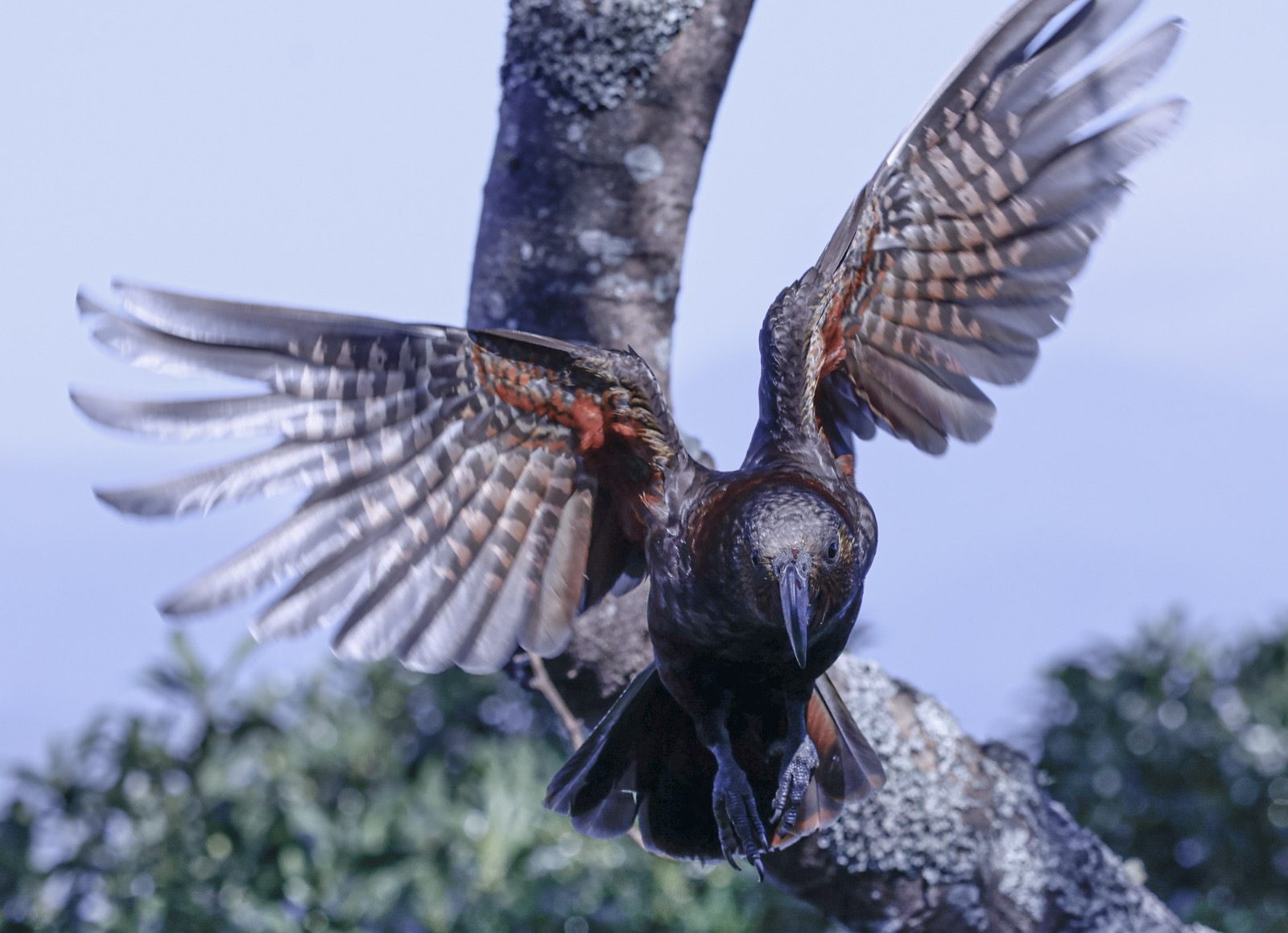
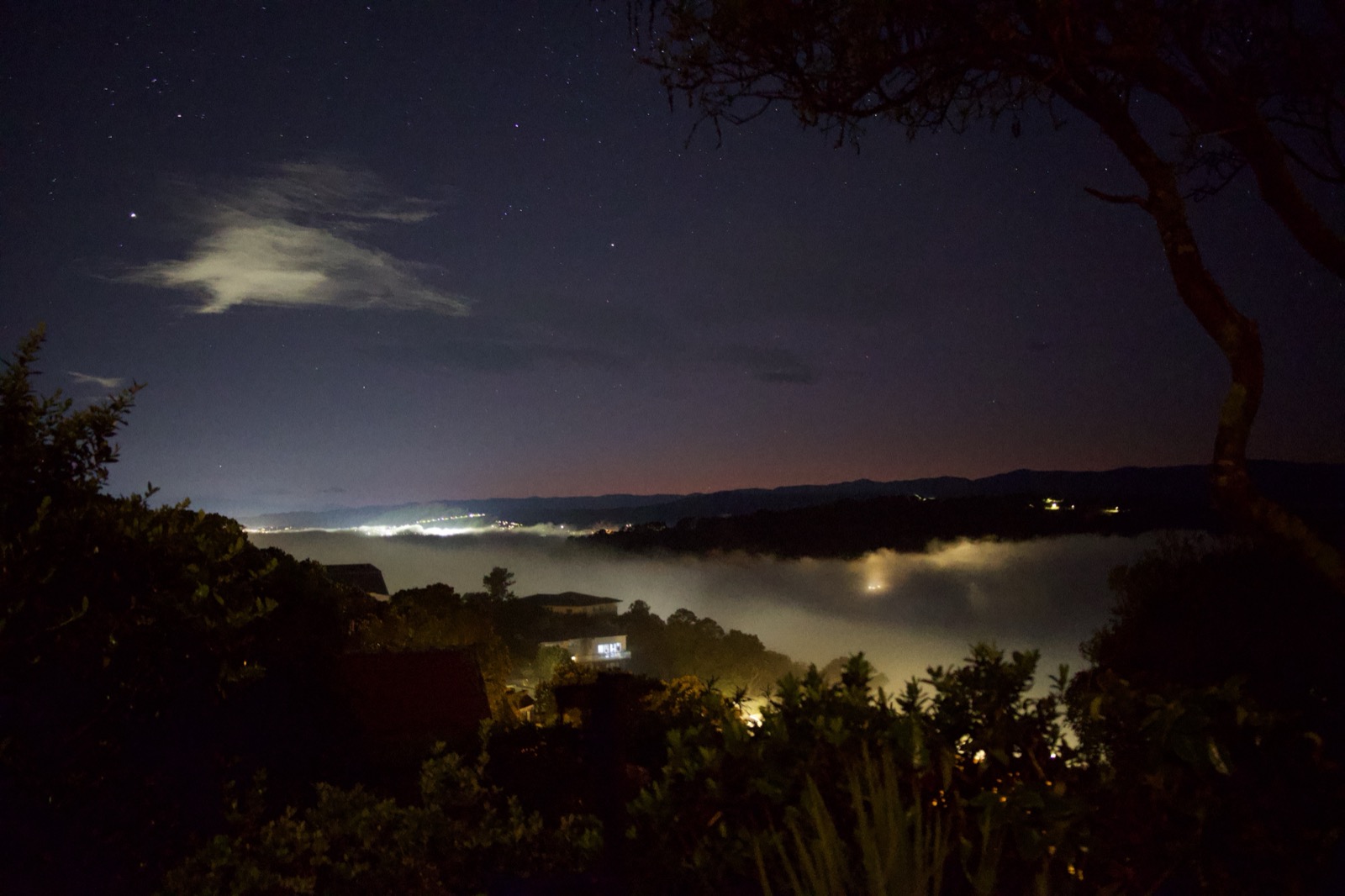
Most cities tolerate their geography. Wellington is defined by it. The steep hills, the bush-covered ridges, the harbour framed by the Remutaka Range to the east and the Orongorongo Mountains to the south — it is a city built inside a natural amphitheatre, and on a mountain bike, that amphitheatre becomes something extraordinary.
I have been riding here for years, and the trail network still surprises me. The Makara Peak Mountain Bike Park sits minutes from the CBD — a hundred kilometres of purpose-built singletrack weaving through native bush, with views across the Tasman Sea on clear days. The Remutaka range offers longer, more committing rides: exposed ridge lines, technical descents, the kind of climbing that earns its rewards.
The Santa Cruz Megatower is not the obvious choice for this terrain. It is a big, capable enduro bike — built for big mountains and lift-accessed descents. On Wellington's short, sharp climbs, the 170mm of travel is arguably overkill. But when the descents arrive, and they always do, there is nothing I would rather be on. The bike absorbs everything: roots, rocks, the loose loam that accumulates on the north-facing slopes through winter.
[Your story continues here — write about your favourite trails, the rides that tested you, the Wellington geography that makes this network unique. Describe a particular ride in detail. You have space for approximately 350 more words in this section.]
“Within ten minutes of leaving the CBD, the city disappears entirely. That is the gift Wellington gives to anyone willing to pedal uphill.”
What Wellington does better than almost anywhere else is integrate the wild into the everyday. You can ride to Makara before work, descend through native bush, and be at your desk by nine. The trails are not a destination you have to travel to — they are woven into the city itself, accessible by commute, part of the daily rhythm for those who choose to ride them.
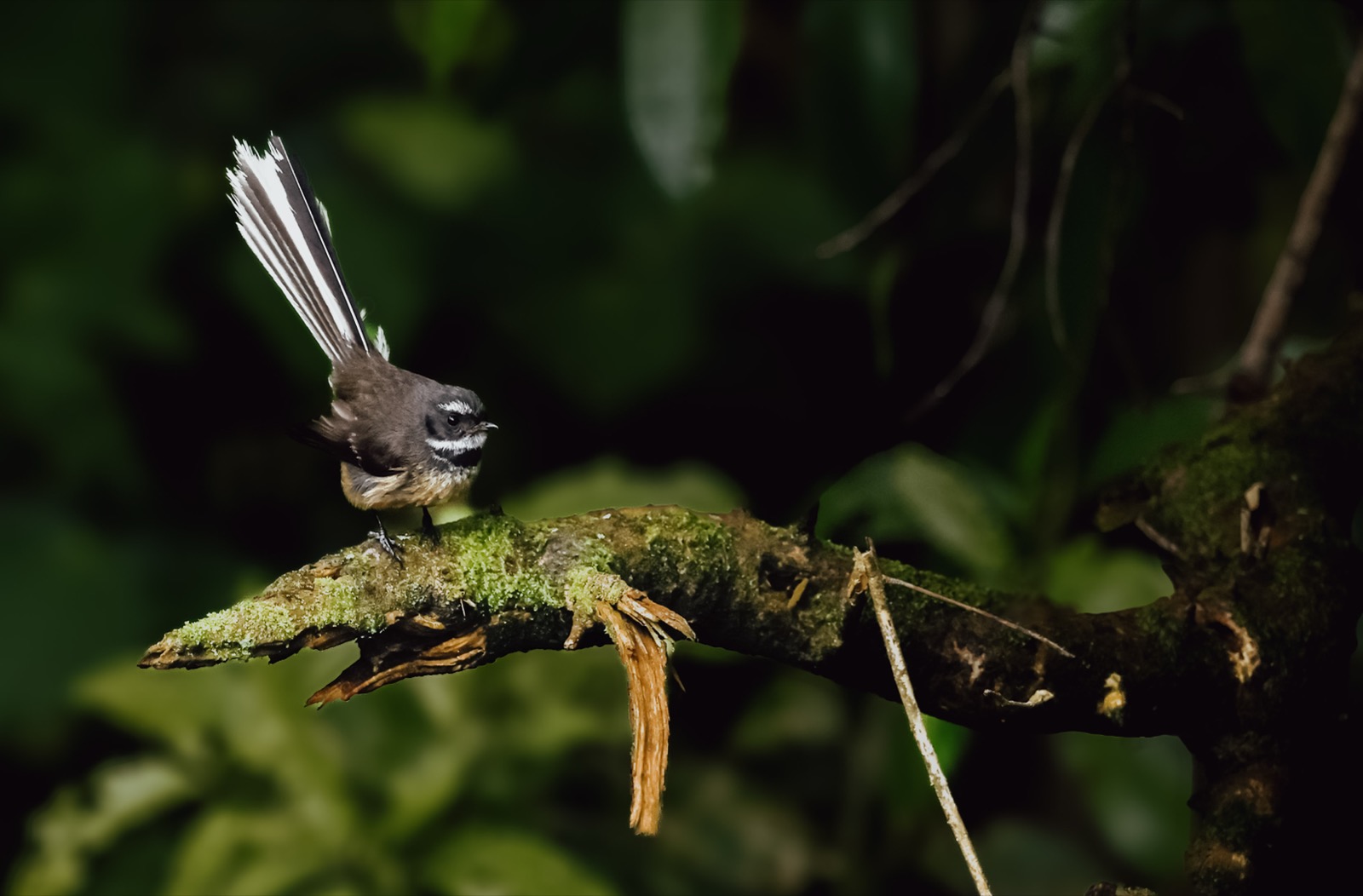
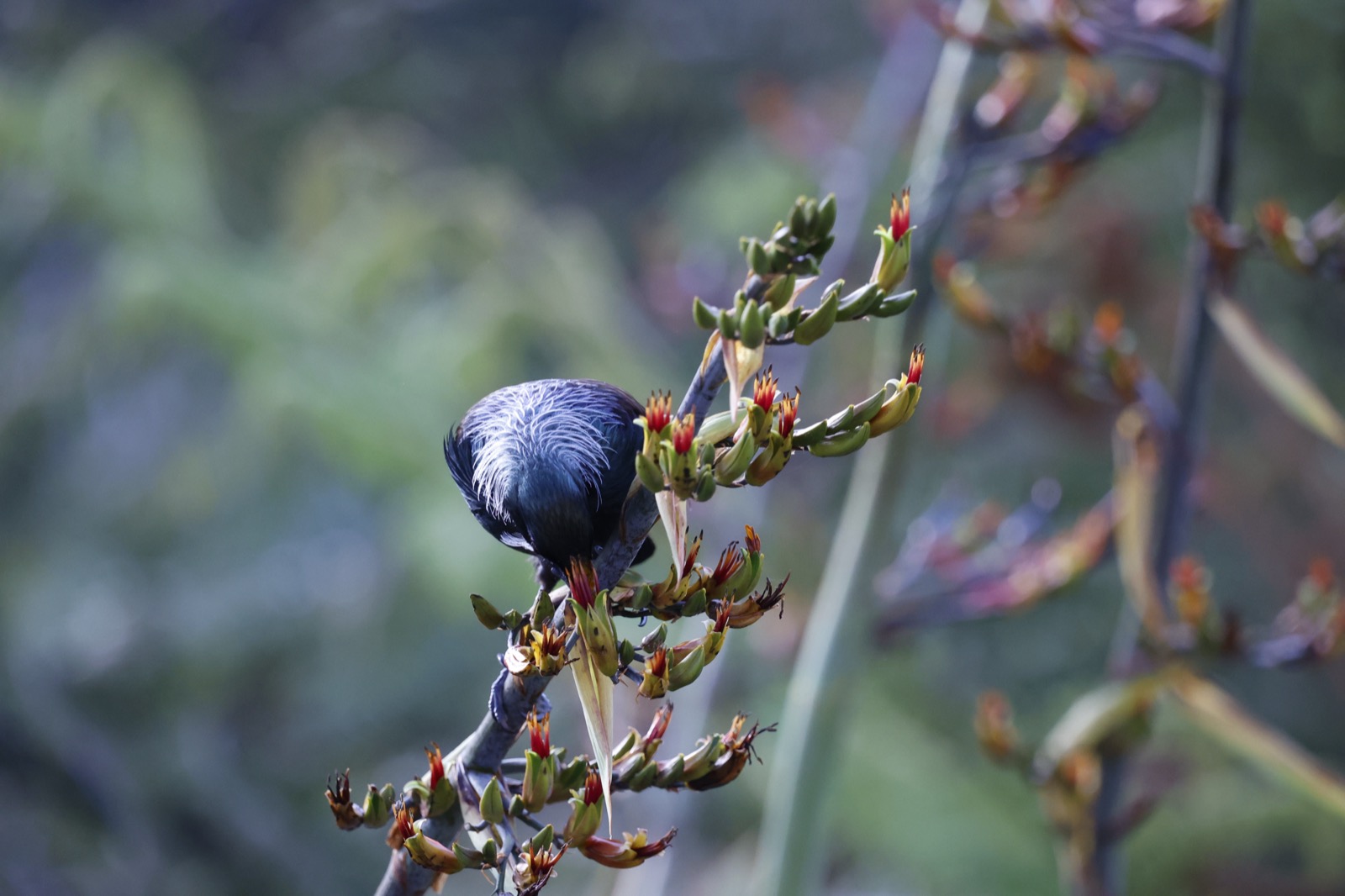
That proximity changes how you relate to the place. I have ridden these trails in every weather, at every season. I know exactly where the mud builds up in June, which descents get slippery after rain, where the tuis appear in the morning when the flax is flowering. The trails become a way of reading the city — a seasonal, sensory map that no amount of urban living can replicate.